Introduction
Culture shapes our identities, values, and the way we interact with the world. For parents, it is imperative to equip their children with cultural capital—educational resources, social norms, and values that help them navigate society. At Umunwanyi Igbo Media, we explore five significant areas of culture that are vital for nurturing well-rounded children who can thrive in an interconnected world.
1. Language and Communication
Language is a fundamental aspect of culture and serves as a bridge between generations. Teaching children their native language not only connects them to their heritage but also enhances cognitive abilities and communication skills. Encouraging fluency in both the native and dominant languages of society allows children to express themselves more fully and become adept communicators.
Actionable Tip: Create a daily routine where parents converse with children in both languages, include storytelling in the native language, and expose them to cultural music and media.
2. Traditions and Customs
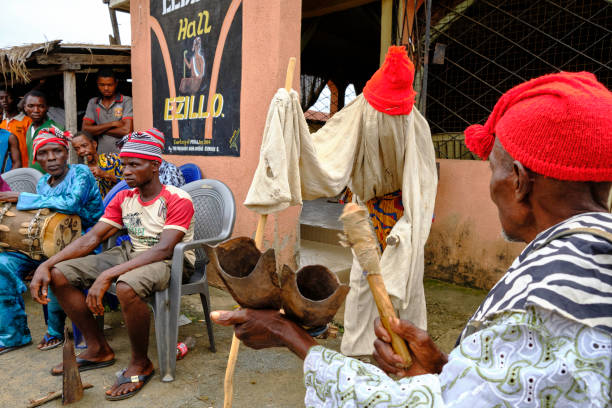
Traditions and customs are the heartbeat of any culture, imparting a sense of belonging and identity. By instilling traditional practices such as festivals, rites of passage, and family gatherings, parents help children appreciate their heritage and understand the importance of community bonds. These traditions foster resilience and create lasting memories.
Actionable Tip: Actively engage your children in planning and participating in cultural events and celebrations. Share stories about the significance of these traditions to deepen their understanding.
3. Values and Ethics
Cultural values and ethics guide behavior and decision-making. Teaching children values such as respect, integrity, and empathy is crucial for their moral development. Cultural stories, proverbs, and legends can provide context and illustrate the importance of these values in real-life situations.
Actionable Tip: Use family discussions to emphasize values. Encourage children to share their thoughts and feelings about ethical dilemmas, guiding them to make thoughtful decisions rooted in cultural ethics.
4. Art and Aesthetics
Art encompasses music, dance, visual arts, and crafts, reflecting the richness of a culture. Engaging children in artistic expressions enhances creativity and emotional intelligence. Exposure to indigenous art forms and participation in cultural performances nurtures pride in their background and fosters appreciation for diversity.
Actionable Tip: Organize art and craft sessions that incorporate traditional techniques. Attend cultural performances and encourage children to explore their creative outlets, whether through dance, music, or visual arts.
5. Historical Awareness
Understanding history allows children to appreciate their cultural legacy and the sacrifices made by their ancestors. It empowers them to contribute positively to their communities and society at large. Teaching history involves highlighting significant events, figures, and contributions of their culture, instilling a sense of pride and responsibility.
Actionable Tip: Incorporate history lessons into family conversations and encourage children to participate in local history projects or visits to museums. Engage them in discussions about how history influences present and future challenges.
Conclusion
Cultural capital is a fundamental resource that parents can impart to their children, shaping their identities and equipping them to face the world. By fostering language skills, traditions, values, artistic expression, and historical awareness, parents can empower the next generation to embrace their heritage and navigate the complexities of modern society. At Umunwanyi Igbo Media, we believe that investing in these cultural areas will help nurture a strong, resilient, and culturally aware generation.
Call to Action
Join us at Umunwanyi Igbo Media as we explore and celebrate the rich tapestry of our culture. Let’s work together to ensure that our children inherit the invaluable capital of culture, paving the way for a brighter future for all.